


Unsure which treatment to choose? Contact our team to discuss your concerns and arrange an appropriate consultation.

Volume and contour concerns describe differences or changes in facial fullness, shape and definition. They may include thin lips, under-eye bags, dark circles, sagging skin, jowls or a less defined chin and jawline.
Some features are part of your natural anatomy, while others develop gradually with ageing or changes in skin and underlying tissues.
At Olune Medical, we assess your facial proportions, skin quality and individual concerns before recommending treatment. Our consultations help you understand suitable options, realistic outcomes and whether treatment is appropriate for you.
Facial volume and contours are influenced by a combination of factors:
Genetics and bone structure: Your natural anatomy influences lip fullness, chin projection and jaw shape.
Natural ageing: Changes in collagen and elastin gradually reduce skin firmness and elasticity.
Changes in facial fat: Loss or redistribution of facial fat can contribute to hollowing, folds and reduced definition.
Changes in structural support: Age-related changes in bone and supporting tissues can affect facial proportions.
Muscle activity: Certain muscles influence the appearance of the jaw, chin and mouth corners.
Sun exposure and smoking: These can accelerate changes in skin quality.
Weight changes: Significant changes in weight can affect facial fullness and skin laxity.
These features are normal variations in appearance. Treatment is a personal choice.
Some concerns, such as a broad jaw or limited chin projection, may have been present since early adulthood. Others become more noticeable over time.
We consider whether your concern relates mainly to bone structure, facial fat, skin quality or muscle activity. Understanding the cause helps us explain which options may be appropriate and their limitations.
Volume loss describes reduced fullness or support within the face. It may appear as thinner lips, hollowing beneath the eyes or less prominent cheeks.
Sagging skin describes reduced firmness or a change in the position of skin and soft tissues. It may contribute to jowls, deeper folds or a softer jawline.
The two often occur together, but they require different assessments. Adding volume does not remove excess skin, and improving hydration does not replace lost structural support.
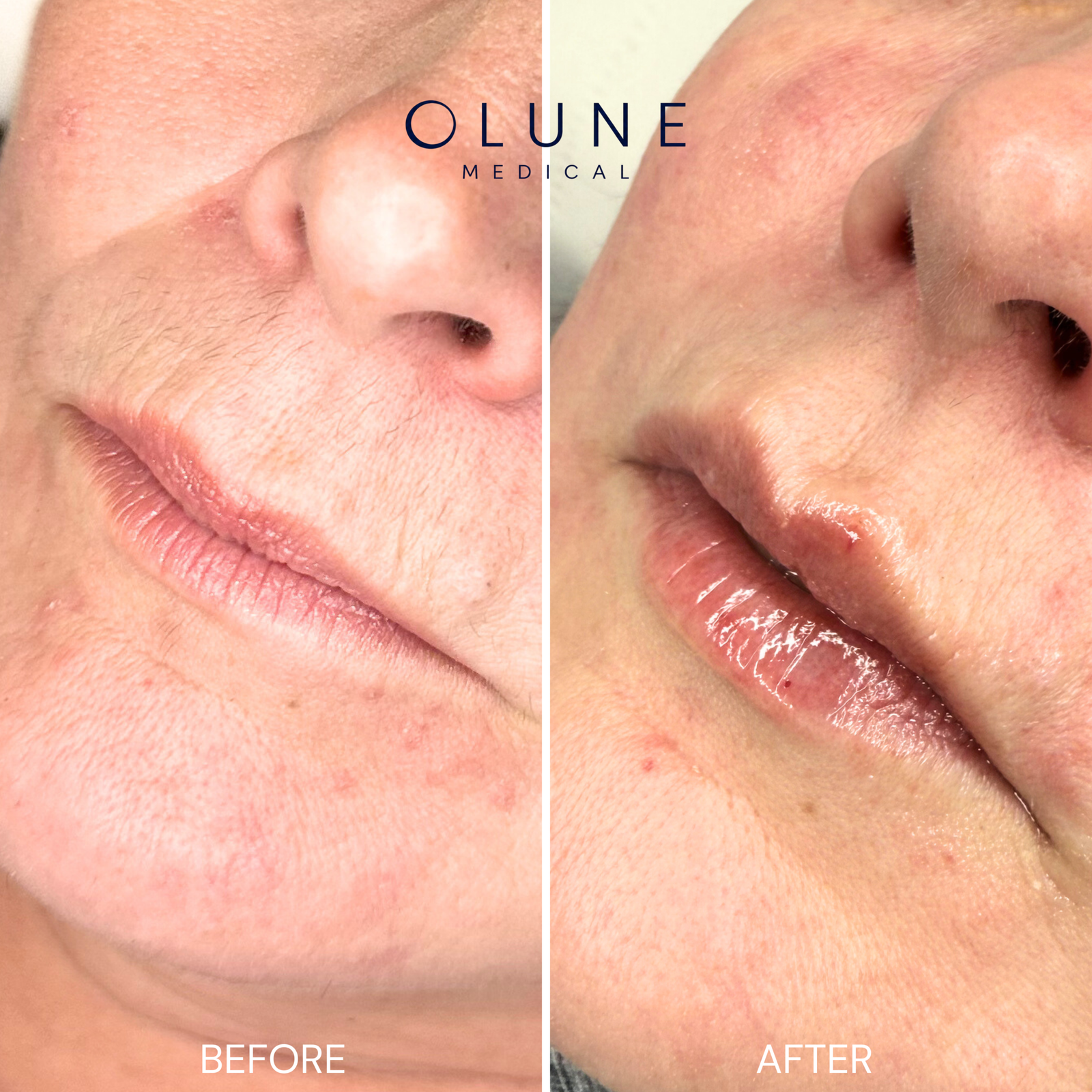
Thin lips have naturally limited fullness or have become less full or defined over time. Changes may affect the lip border, symmetry or the balance between the upper and lower lip.
Genetics strongly influence lip shape and size. With age, changes in collagen, soft-tissue volume and surrounding structures can reduce fullness and definition.
Lip dermal fillers may be considered to improve selected aspects of volume and shape. Suitable hydration treatments may help dryness and superficial fine lines. Where the upper lip rolls inward during smiling, its movement is assessed separately from lip volume.
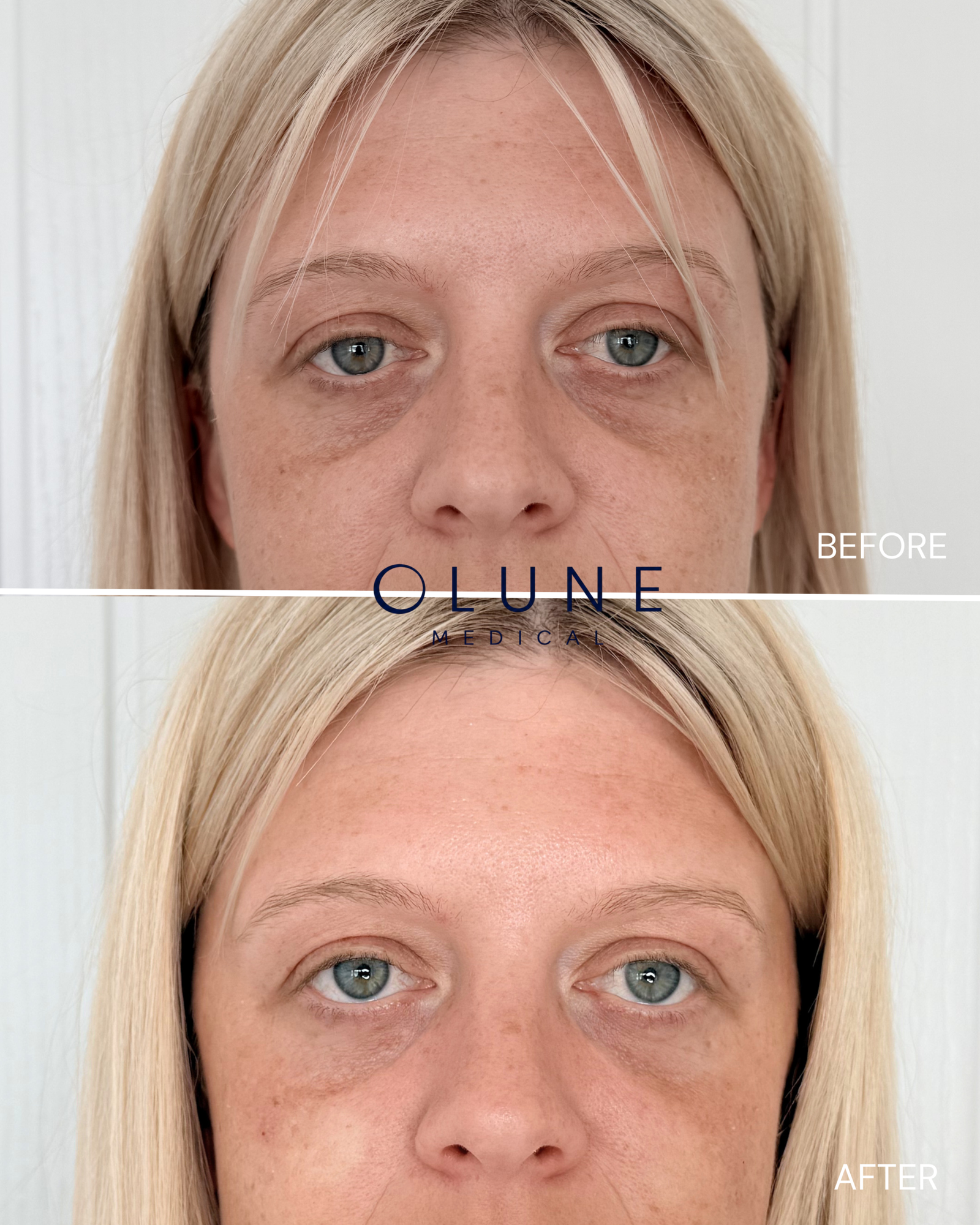
Under-eye bags are areas of puffiness or fullness beneath the lower eyelids. They may occur alongside loose skin, fine lines or a hollow groove beneath the swelling.
They can develop through genetics, fluid retention or age-related changes that allow fat pads to become more prominent.
We distinguish puffiness from hollowing before discussing treatment. Selected skin-quality treatments may help fine lines or texture, while tear-trough fillers may be considered for suitable associated hollowing. Fillers do not remove protruding fat and can worsen swelling in unsuitable patients. Prominent bags may require specialist assessment.
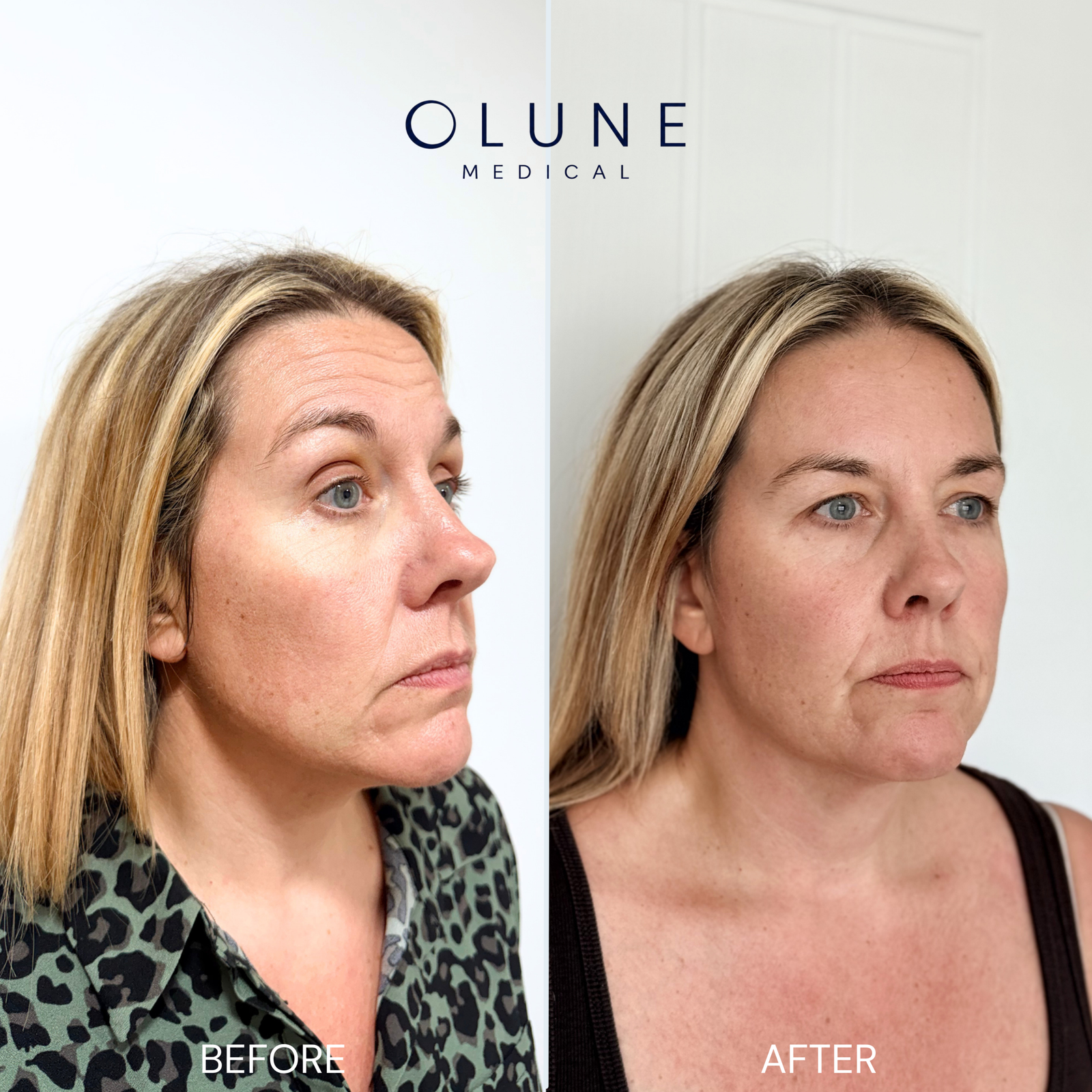
Sagging skin develops when skin and supporting tissues lose some of their firmness or change position. This can soften facial contours and reduce definition around the cheeks, lower face and neck. Contributing factors include changes in collagen and elastin, facial fat and underlying support.
Genetics, sun exposure and weight changes can also influence its appearance. Depending on the cause, collagen biostimulators or carefully selected dermal fillers may be considered. Skin boosters, polynucleotides and microneedling have different roles in skin quality and do not reposition substantially descended tissues. Significant laxity may require another approach.
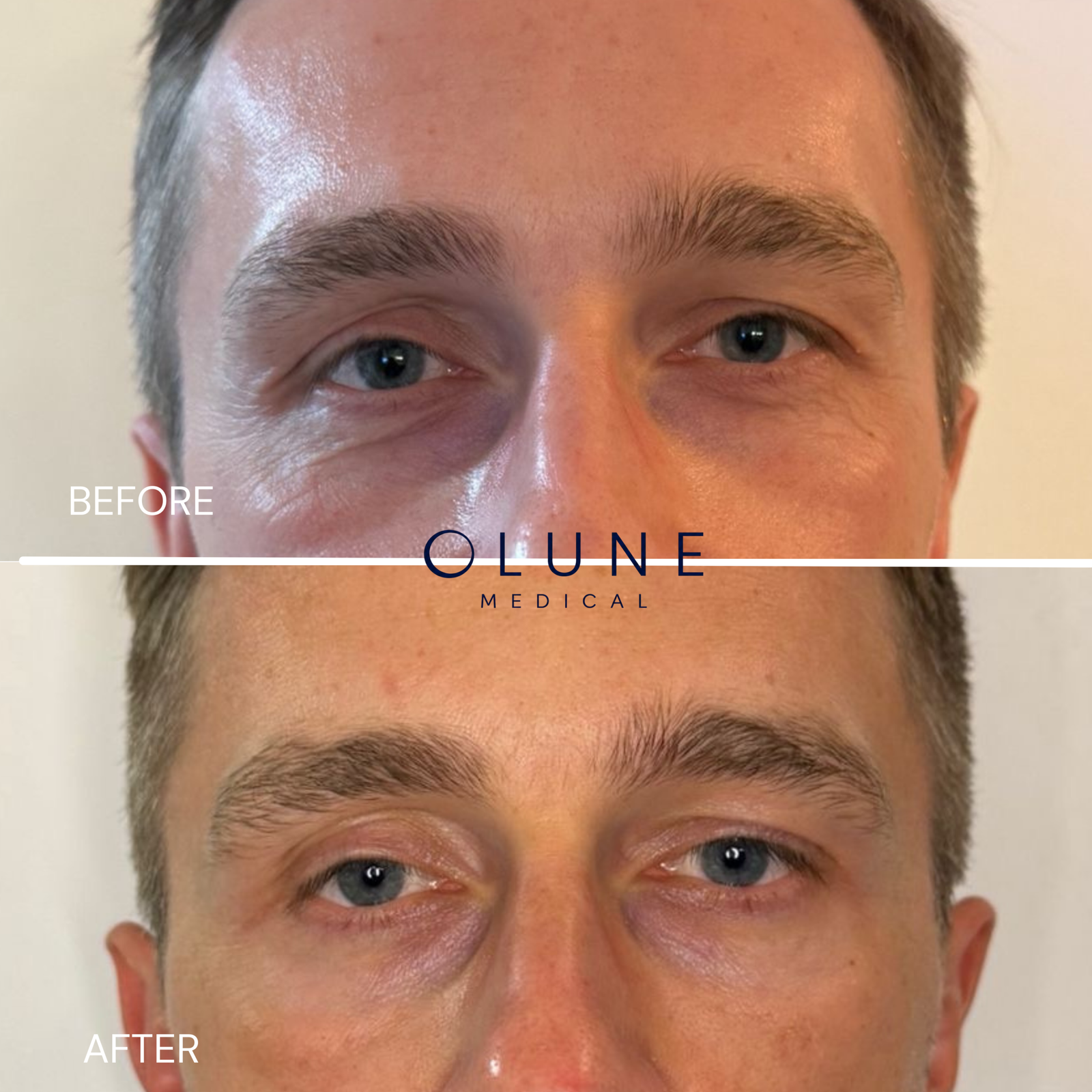
Dark circles are areas of darker colour or shadowing beneath the eyes. They may appear brown, blue, purple or grey, depending on their cause and your skin tone. Possible contributors include inherited pigmentation, thin skin, visible blood vessels, under-eye hollowing and shadows from surrounding tissues.
Allergies and eye rubbing may also contribute. Treatment depends on the main cause. Selected skin-quality treatments may be considered where thin or creased skin contributes, while tear-trough fillers may help appropriate hollowing-related shadows. Pigmentation does not necessarily improve with treatment aimed at restoring volume.

Drooping mouth corners occur when the outer corners of the lips turn downwards at rest or during expression. They may appear alongside marionette lines or changes in lower-face definition. Natural anatomy, volume loss, reduced skin elasticity and activity in the muscles that pull the mouth corners down can contribute.
We assess the mouth at rest and during movement. Dermal fillers may be considered where changes in volume or structural support are relevant, while muscle-related concerns require a separate clinical assessment. Preserving natural expression and mouth function is an important part of planning.
Jowls are areas of skin and soft tissue that become more prominent along the lower jawline. They can interrupt the outline between the chin and the angle of the jaw. They commonly develop through changes in skin elasticity, facial fat and supporting tissues.
Genetics and weight changes may also contribute. Selected chin, jawline or cheek filler treatments may improve associated areas of lost support or definition. Collagen biostimulators may be considered for suitable volume and skin-quality concerns. Adding volume is not appropriate for every type of jowling, and more pronounced laxity may require specialist advice.
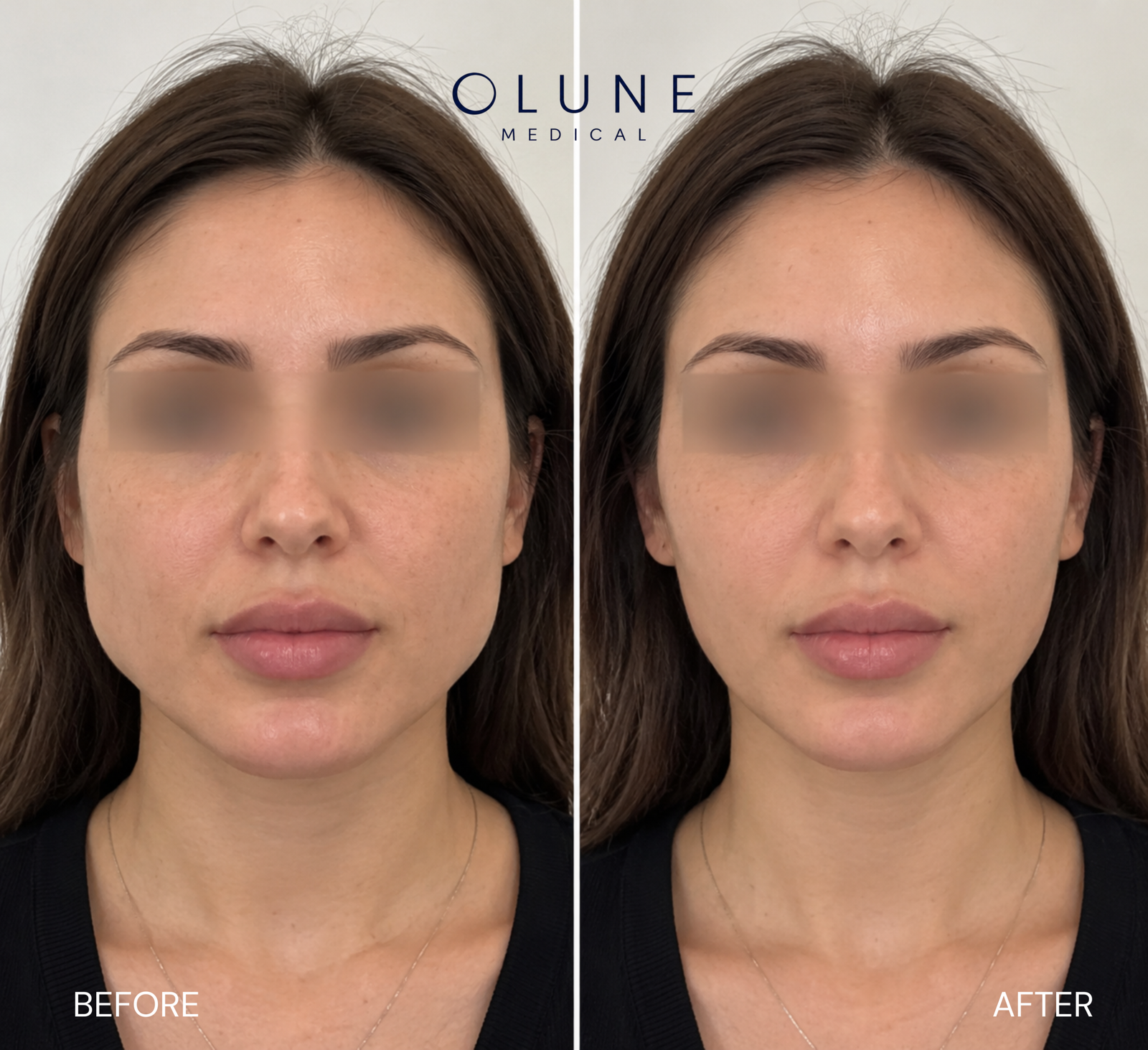
A wide jaw is a broad or square-shaped lower face. It is a normal variation in facial anatomy and may reflect the shape of the jawbone, the size of the masseter muscles or both. Genetics influence jaw shape and muscle size. Repeated clenching or teeth grinding may contribute to enlarged masseter muscles, although jaw width alone does not establish a diagnosis of grinding.
Assessment helps distinguish muscle-related width from underlying bone structure. Chin fillers may improve selected facial proportions but do not narrow the jaw. Where grinding, jaw pain or tooth damage is present, dental assessment is recommended.
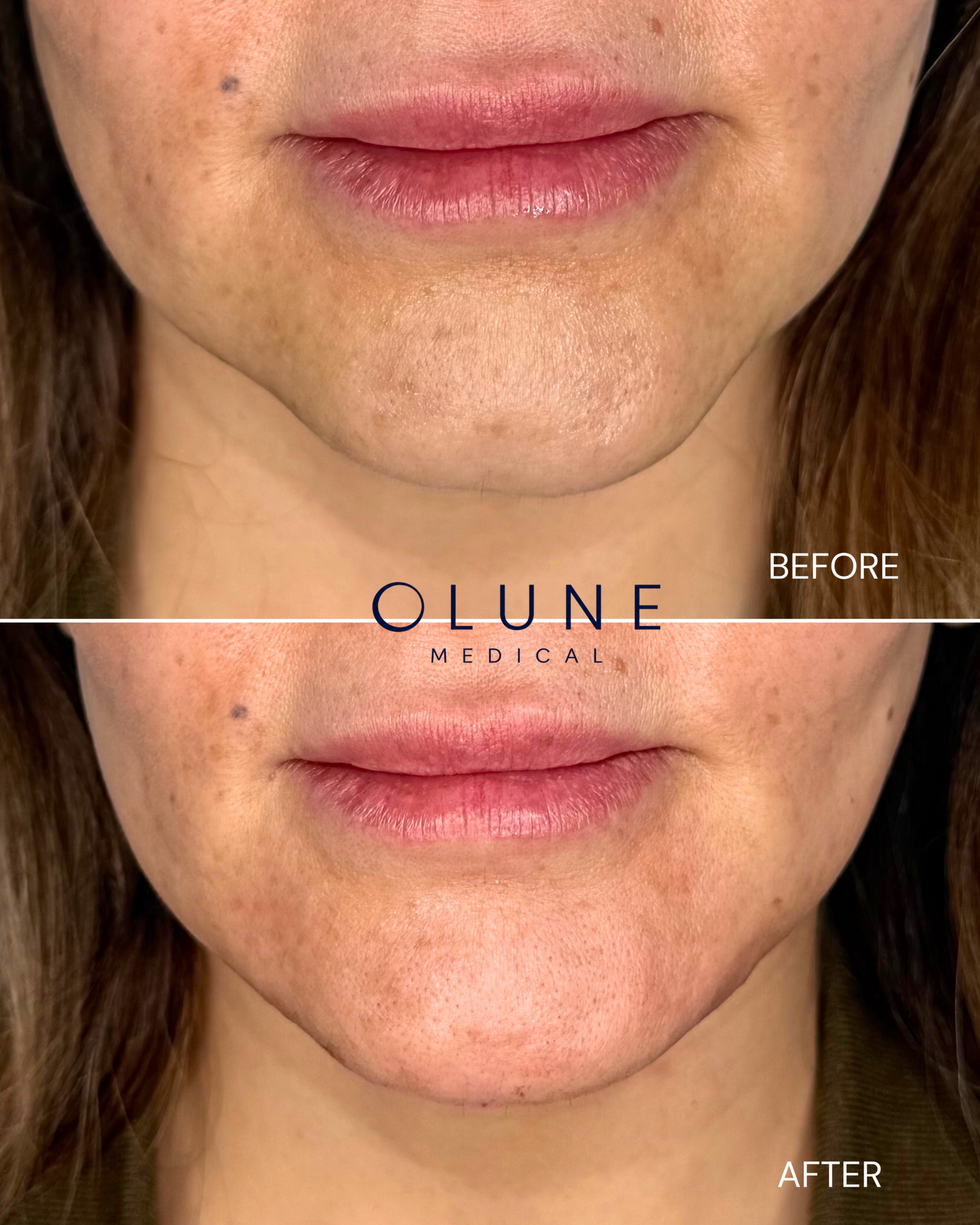
A weak or recessed chin has relatively limited forward projection or definition. This can influence the side profile and the balance between the chin, lips and jawline.
Genetics and underlying bone structure are common contributors. Age-related changes in bone and soft tissues may also affect definition, while some concerns involve the relationship between the upper and lower jaws.
Chin fillers may improve selected aspects of projection and shape, sometimes alongside jawline treatment. Chin muscle activity is assessed separately because treating dimpling does not correct limited bone projection. Significant jaw-position or bite concerns may require dental or specialist assessment.
The most suitable approach depends on whether your concern mainly involves lost volume, skin quality, structural support or muscle activity.
Dermal fillers: Hyaluronic-acid fillers can restore selected areas of volume, improve definition or soften appropriate folds. Treatment areas may include the lips, cheeks, chin, jawline and suitable tear-trough hollowing.
Collagen biostimulators: Products such as Sculptra may gradually improve selected areas of facial volume and skin quality. Effects develop over time and are not equivalent to a surgical lift.
Skin boosters: Suitable formulations may improve hydration and superficial fine lines. They do not correct substantial volume loss or excess skin.
Polynucleotides: May be considered for selected skin-quality concerns. Evidence and expected benefits vary by product and treatment area.
Microneedling: Encourages collagen remodelling and may improve texture and fine lines over a course of treatment. It does not add structural volume or reposition facial tissues.
Assessment of facial muscle activity: Where movement contributes to your concern, an appropriate clinician can explain whether further options are suitable following consultation.
Not every treatment is appropriate for every concern. Sometimes skincare advice, dental assessment, specialist referral or no treatment is the most appropriate recommendation.
Your consultation begins with a discussion of your concerns, medical history, previous treatments and desired outcome.
We assess your facial proportions, skin quality and relevant movement to understand the underlying cause. We then explain suitable options, likely limitations, recovery and potential risks, including whether a combination of approaches may be helpful.
You will have time to ask questions and consider your choices. A consultation does not mean you need to have treatment.
Treatment choice depends on the factors contributing to your lines. Your consultation may include skincare advice, suitable procedures or a combination of approaches.
Find answers to common questions about facial volume, contour concerns, treatment suitability and planning your appointment.
The most appropriate option depends on the location and cause of the volume change, your facial anatomy and your preferences. Dermal fillers or collagen biostimulators may be considered in suitable patients, but neither is appropriate for every concern.
Some non-surgical treatments may improve selected aspects of skin quality, volume or definition. They cannot remove excess skin or reproduce every effect of surgery. More pronounced laxity may require specialist assessment.
Not necessarily. Puffiness, pigmentation, thin skin and hollowing have different causes. Treatment suitable for hollowing may be inappropriate where swelling or protruding fat pads are the main concern.
Treatment is planned around your facial anatomy and preferences, with an emphasis on balanced changes. Adding volume is not always the right approach. Your clinician will discuss appropriate quantities and the limitations of treatment.
Some treatments may be assessed after one session, while others involve a course. We explain the proposed number of appointments, spacing and any maintenance before treatment begins.
Risks vary by procedure and treatment area. They may include bruising, swelling, tenderness, infection, asymmetry or an unsatisfactory result. Dermal fillers also carry uncommon but serious risks, including vascular occlusion, tissue damage and visual complications. Relevant risks and alternatives are discussed during consultation.
Suitability depends on the proposed procedure, your medical history, medication, allergies and previous treatments. Pregnancy, breastfeeding, active infection and certain medical conditions may affect whether treatment is appropriate. We assess this individually.
Olune Medical offers consultations in Hull, Leeds and Sheffield. Choose your preferred clinic when booking.
Whether you are concerned about lip fullness, under-eye changes, jowls or chin and jawline definition, we can help you understand the cause and explore appropriate options.
Olune Medical is a trading name of Olune Ltd, registered in the UK under company number 17238989.
Copyright © 2026 Olune Medical. All Rights Reserved.
