


Unsure which treatment to choose? Contact our team to discuss your concerns and arrange an appropriate consultation.
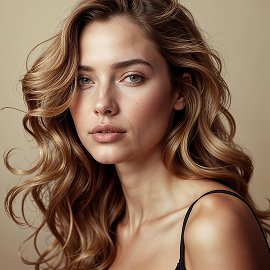
Lines and wrinkles are creases in the skin that develop through facial movement, natural ageing and changes in skin structure. They commonly affect the forehead, around the eyes and mouth, and the neck.
At Olune Medical, we assess your skin, facial movement and individual concerns to understand why particular lines have developed. Our consultations in Hull and Leeds help you explore suitable options, realistic outcomes and whether treatment is appropriate for you.
Lines and wrinkles usually develop through a combination of factors:
Repeated facial expressions: Smiling, frowning, squinting and raising the eyebrows repeatedly fold the skin.
Natural ageing: Changes in collagen and elastin gradually reduce the skin’s firmness and ability to spring back.
Sun exposure: Ultraviolet radiation contributes to premature skin ageing.
Changes in facial support: Shifts in facial fat, soft tissue and bone structure can make folds more noticeable.
Dryness: Dry skin can make superficial lines appear more prominent.
Genetics and smoking: These can influence when lines appear and how they develop.
Wrinkles are a normal feature of skin and facial expression. Treatment is a personal choice.
Fine lines are shallow creases that may become more noticeable when the skin is dry or during facial expressions. Wrinkles are generally deeper and may remain visible when the face is relaxed.
Depth alone does not determine the right approach. We also consider the location of the line, skin quality, underlying movement and changes in facial support.
Dynamic lines appear or become more noticeable when you move your face, such as when smiling or raising your eyebrows.
Static wrinkles remain visible when your face is resting. They may develop as repeated skin folding combines with ageing and sun damage.
Many people have both. Understanding the difference helps us explain which options may address your concerns and their limitations.
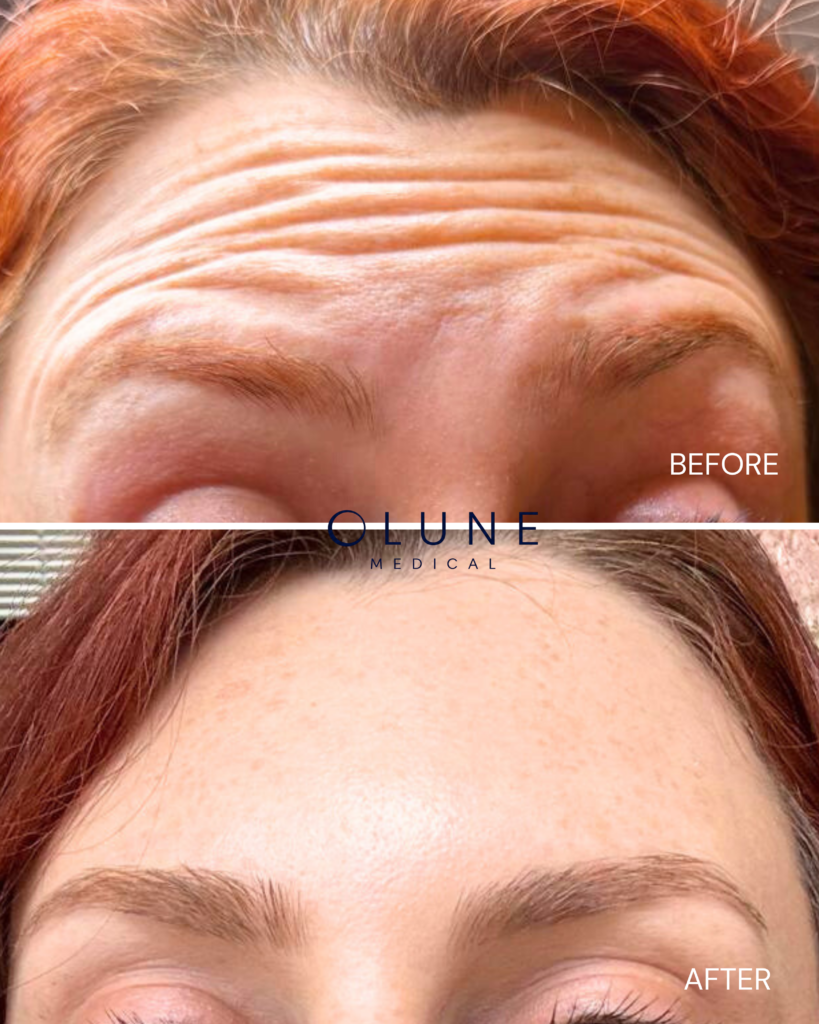
Forehead lines are horizontal creases across the forehead that become more noticeable when you raise your eyebrows. Repeated movement of the frontalis muscle folds the skin. Over time, changes in skin elasticity and sun exposure can cause these lines to remain visible at rest. During your consultation, we assess forehead movement, brow position and skin quality together. Where superficial texture or dryness contributes, skincare or suitable skin-quality treatments may be discussed.
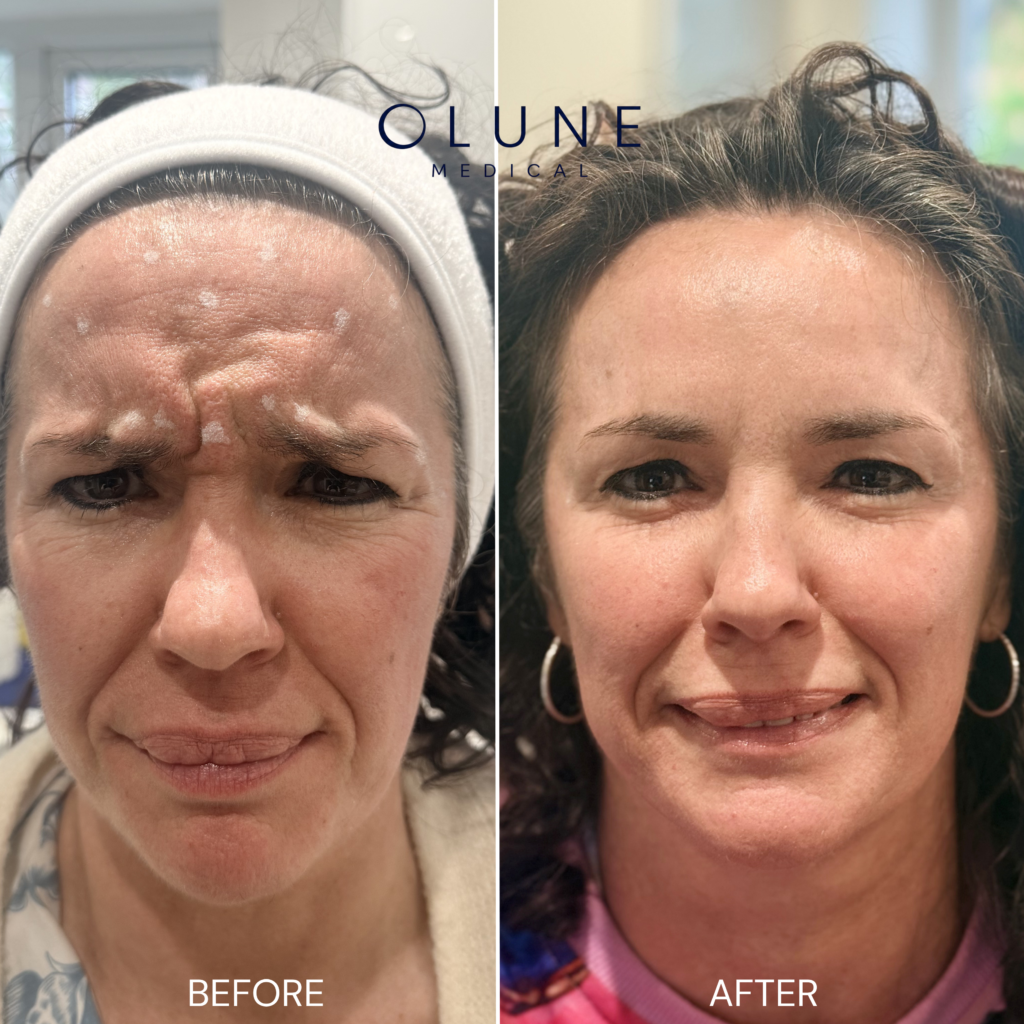
Frown lines are vertical or angled creases between the eyebrows. They are also called glabellar lines or “11 lines”. They develop through repeated frowning, squinting and concentration. With time, the creases may remain visible even when the face is relaxed. Assessment considers the depth of the lines, underlying muscle movement and the position of the brows. Established creases may soften without disappearing completely.
Crow’s feet are lines that fan out from the outer corners of the eyes, particularly when smiling or squinting.
The skin around the eyes is relatively thin. Repeated expressions, sun exposure and age-related changes can make these lines more noticeable.
We distinguish movement-related lines from dryness, under-eye creasing and skin laxity because these concerns may require different approaches.
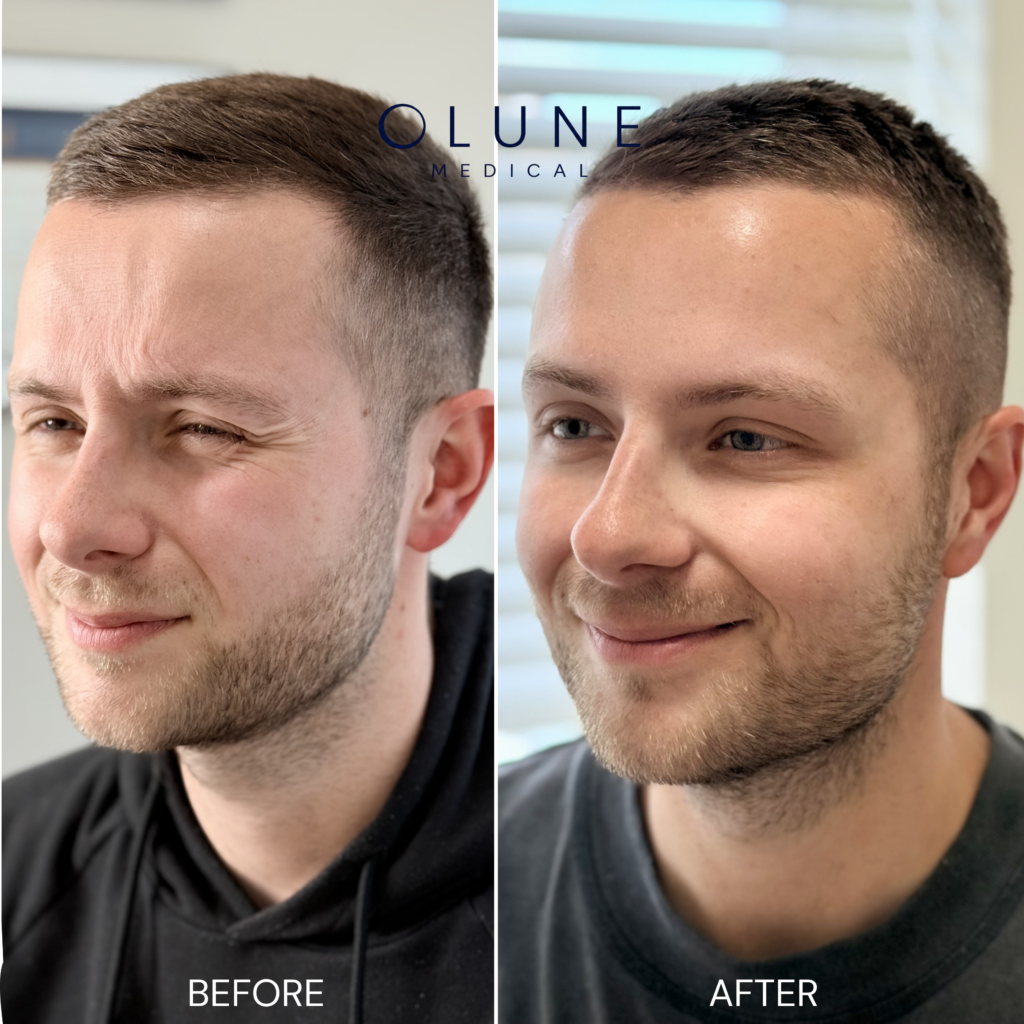

Bunny lines are small diagonal or horizontal creases along the sides or bridge of the nose. They usually appear when you scrunch your nose or make certain expressions.
They are mainly associated with facial muscle movement and may become more noticeable as skin elasticity changes.
A consultation assesses when the lines appear and how the surrounding muscles move before any options are discussed.
Nasolabial folds run from the sides of the nose towards the corners of the mouth. They are a normal part of facial anatomy and often become more noticeable with age.
Unlike a superficial expression line, a deeper fold may reflect changes in cheek volume and facial support as well as skin quality.
Where appropriate, dermal fillers may be considered to address selected areas of volume loss or support. Skin-quality treatments have a different role and will not correct substantial structural changes.
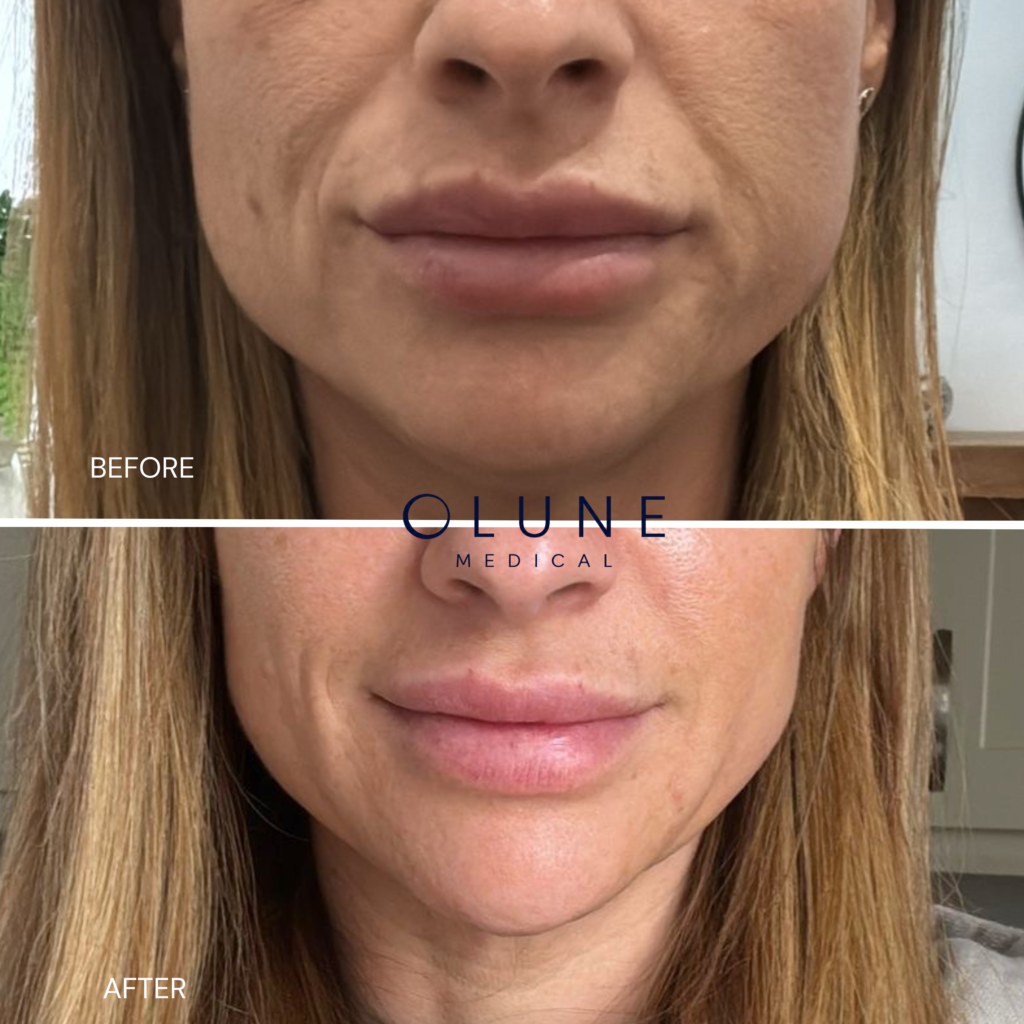
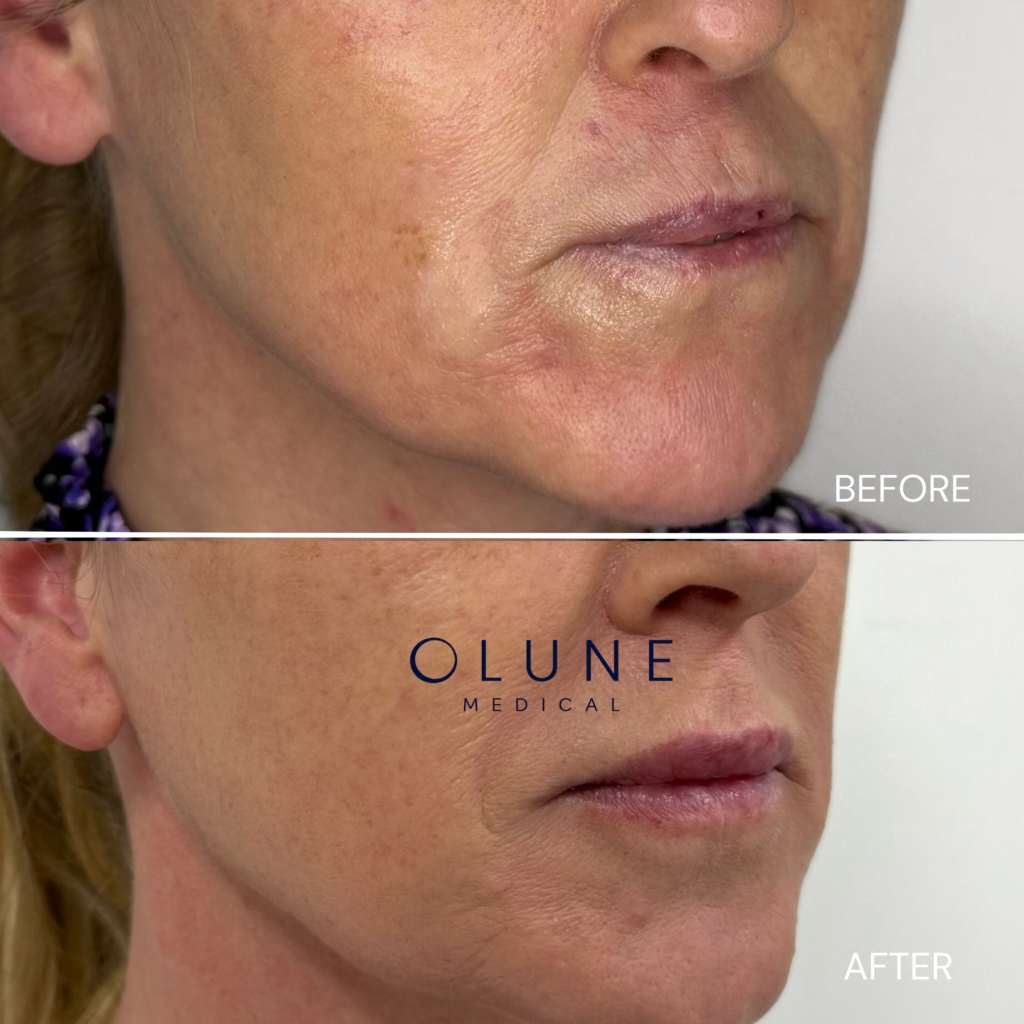
Vertical lip lines are fine creases above or below the lips. They are sometimes called perioral lines or smoker’s lines, although they also develop in people who have never smoked.
Repeated lip movement, sun exposure and age-related changes in the surrounding skin can contribute.
Depending on their depth and cause, skincare, microneedling, skin boosters or carefully selected dermal filler treatment may be discussed. Preserving natural mouth movement is an important part of assessment.
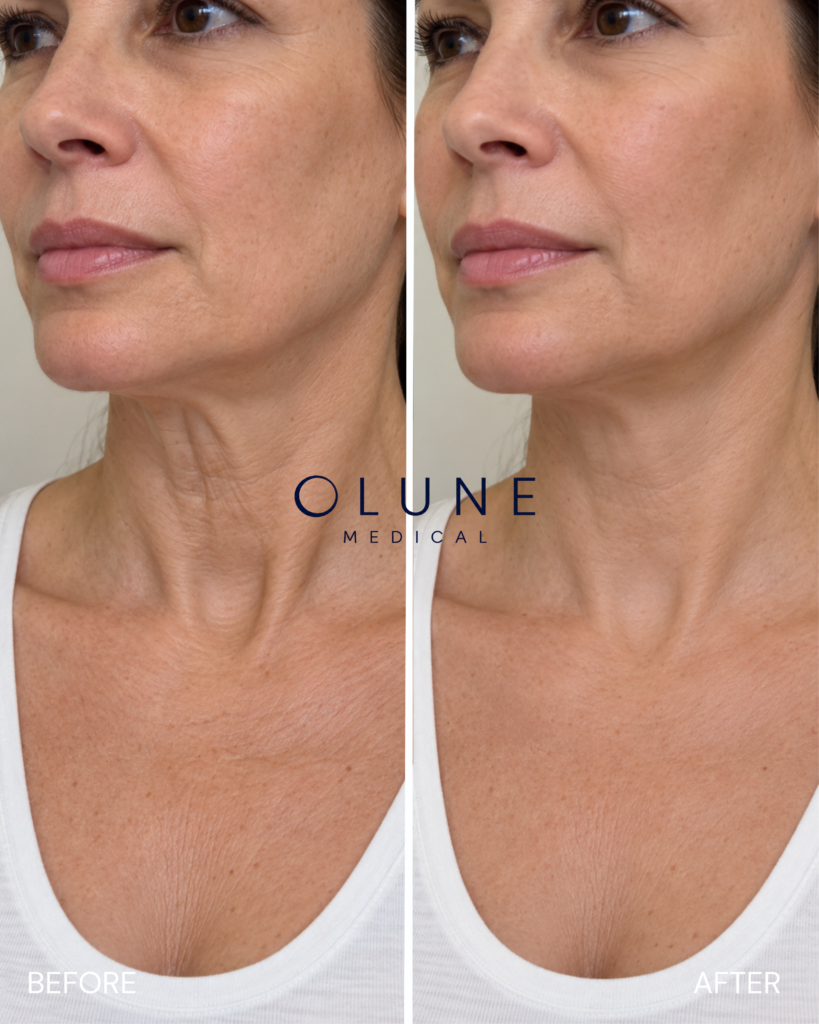
Neck lines are horizontal creases or vertical bands that develop due to skin ageing, reduced collagen production, repetitive movements and changes in skin elasticity. Because horizontal creases, crepey skin and prominent platysmal bands have different causes, they often require different treatment plans. A consultation helps identify which feature is most relevant.
Horizontal neck creases can reflect natural skin folding, posture and repeated movement, while vertical bands may appear as the platysma muscle becomes more visible. Reduced collagen, sun damage and laxity can contribute to both.
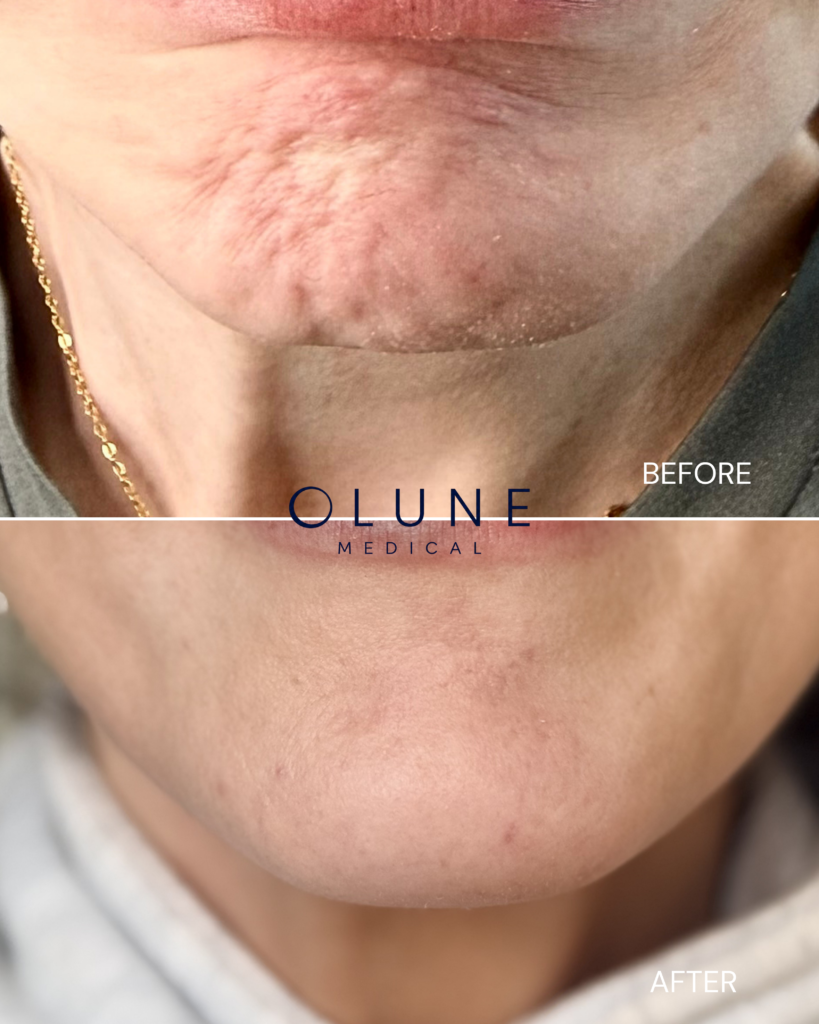
Chin dimpling refers to small indentations or an uneven, textured appearance of the skin on the chin, often described as an orange peel or pebbled appearance. It is commonly caused by overactivity of the mentalis muscle, which contracts and pulls the chin skin upwards. Dimpling may become more noticeable during facial expressions or with age-related changes in skin elasticity.
An overactive mentalis muscle can pull the skin of the chin into a pebbled or orange-peel texture. Individual muscle anatomy and reduced skin elasticity may intensify this appearance.
The most suitable approach depends on whether your lines are mainly caused by muscle movement, changes in skin quality, or a combination of both.
Your consultation begins with a discussion of your concerns, medical history, previous treatments and desired outcome.
We assess your face at rest and during expression, considering skin quality, facial balance and the underlying cause of your lines. We then explain suitable options, likely limitations and whether a combination of approaches may be helpful.
You will have time to ask questions and consider your choices. A consultation does not mean you need to have treatment.
Treatment choice depends on the factors contributing to your lines. Your consultation may include skincare advice, suitable procedures or a combination of approaches.
Find answers to common questions about consultations for lines and wrinkles, treatment suitability and planning your appointment.
Treatment may soften the appearance of wrinkles, but complete removal is not always possible or desirable. Results depend on their cause, depth and location, as well as the treatment selected.
Some fine lines may improve with appropriate skincare, moisturising, sun protection or treatments such as microneedling. These approaches address skin quality and will not produce the same effects as treatments aimed at facial movement or volume loss.
Expression lines and natural skin folds can appear at any age. Genetics, sun exposure and dryness may also influence how noticeable they are. Having lines does not necessarily mean your skin has aged prematurely.
The most appropriate option depends on what is causing the concern. Movement-related lines, superficial skin creases and deeper facial folds require different assessments.
Some treatments involve a course of sessions; others follow a different schedule. We explain the proposed number of appointments, spacing and any maintenance before treatment begins.
We plan treatment around your facial anatomy and preferences, with an emphasis on balanced changes. Outcomes vary, and no particular result can be guaranteed.
Olune Medical offers consultations in Hull and Leeds. Choose your preferred clinic when booking.
Forehead anti-wrinkle injections may not be suitable for everyone, particularly individuals who:
- Are pregnant or breastfeeding
- Have certain neuromuscular conditions
- Have an active infection at the injection site
- Have a known allergy to botulinum toxin or its ingredients
- Take medications that may interact with botulinum toxin
- Have existing eyebrow or eyelid drooping that could be worsened by treatment
At Olune Medical, we carry out a thorough consultation and medical assessment before treatment to ensure suitability, safety and personalised care.
Whether you are concerned about forehead lines, creases around your eyes or changes around your mouth and neck, we can help you understand the cause and explore appropriate options.
Olune Medical is a trading name of Olune Ltd, registered in the UK under company number 17238989.
Copyright © 2026 Olune Medical. All Rights Reserved.
